
Preloader Close

Symptoms of MSMDS

A Medical Puzzle

Multisystemic Smooth Muscle Dysfunction Syndrome (MSMDS) affects fewer than 100 people worldwide, and its symptoms vary widely from one patient to another. Because it involves multiple organs and systems, early signs are often misdiagnosed or only partially recognized.


From congenital mydriasis to cardiovascular, neurological, or digestive complications, many symptoms resemble more common conditions, delaying diagnosis and increasing risk.


This page does not replace medical advice. Always consult your healthcare team.

Awesome Image

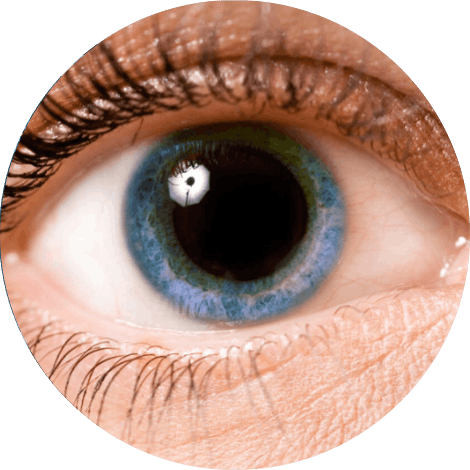
Dilated pupils as early sign of Multisystemic Smooth Muscle Dysfunction Syndrome

Signs and symptoms

The Hallmark Signs Of MSMDS

Symptoms differ between patients, but the most characteristic include:

Congenital mydriasis (fixed and dilated pupils): often the first visible sign, frequently accompanied by tortuous retinal vessels

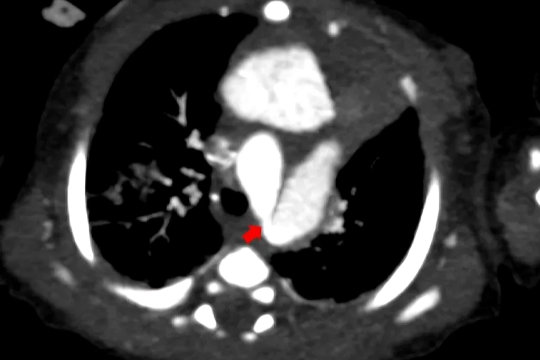
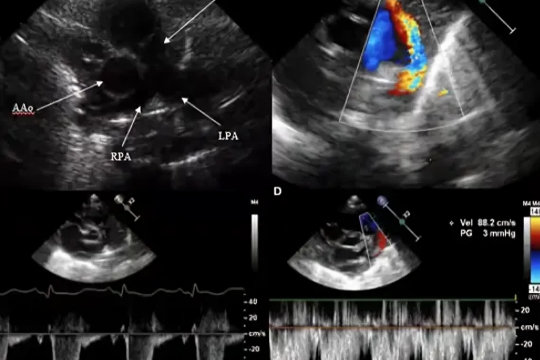
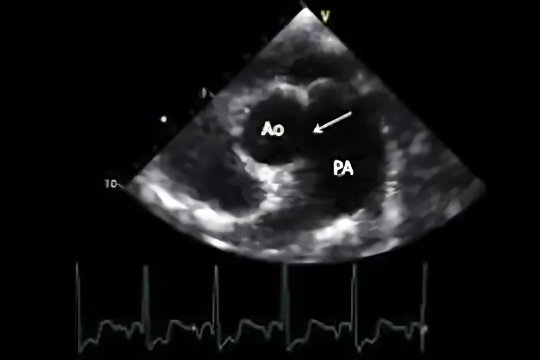
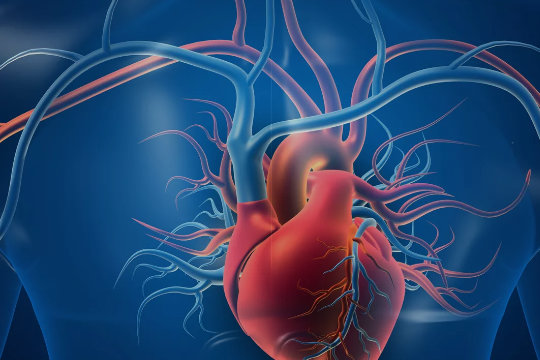
Congenital heart defects (Patent Ductus Arteriosus (PDA) or Aortopulmonary Window (APW))

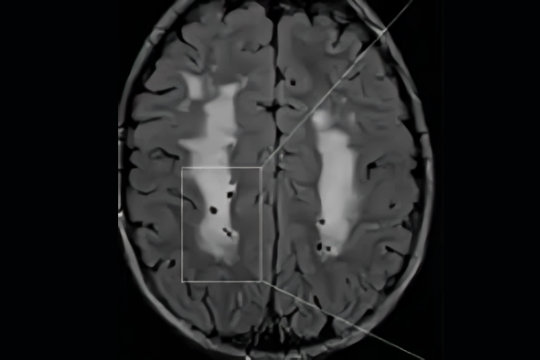
Brain white matter abnormalities

xxx
0

Participants

Early signs & symptoms

Aortic coarctation

PDA repair needed

Aortopulmonary window

White matter abnormalities are usually present

Genetic testing for ACTA2

When two of these three signs are present, genetic testing for ACTA2 mutations should be strongly considered.

These hallmark signs often appear early in life, sometimes even at birth, and are critical for early recognition.

Most frequent symptoms

MSMDS symptoms vary between individuals, but the most characteristic include:

Neurological & Cerebrovascular

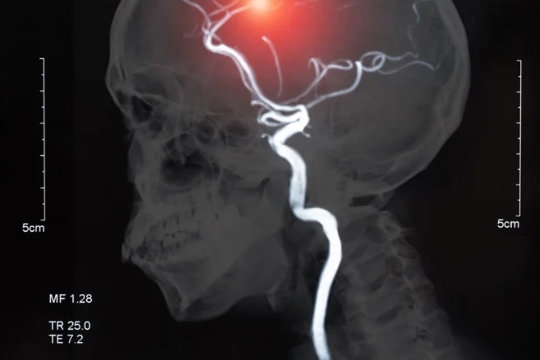
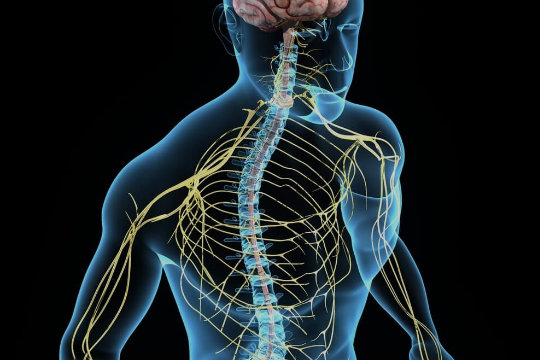
Seizures may occur due to ischemic brain injury or abnormal blood flow regulation

Ocular

Often associated with scalloped iris margin and tortuous retinal vessels

Cardiovascular

These conditions may require early surgical intervention and lifelong monitoring.

Respiratory Complications

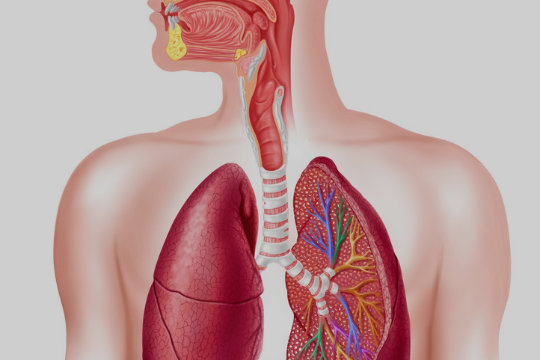
Pulmonary complications can range from mild respiratory symptoms to severe disease requiring close follow-up.

Vascular

Patients often report difficulty regulating body temperature and may not experience normal “chills”.

Gastrointestinal

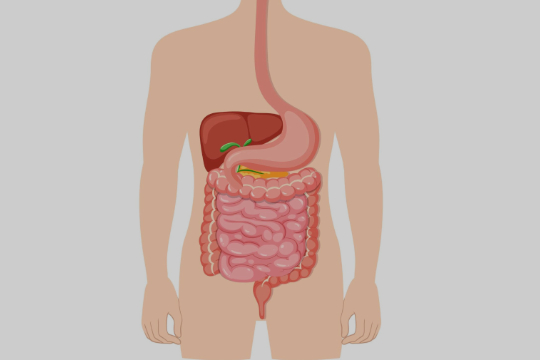
Symptoms range from mild feeding difficulties to life-threatening bowel obstruction.

Urinary

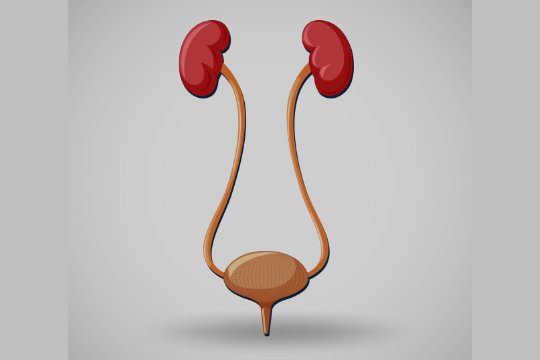
Prune‑Belly Syndrome (PBS): genetic testing is recommended when PBS appears without mechanical obstruction and coexists with PDA

Autonomic Nervous system

Why MSMDS is often missed

MSMDS affects smooth muscle cells throughout the body. Because these cells are present in blood vessels, lungs, digestive system, and bladder, the disease can impact multiple organs simultaneously, although its symptoms are frequently treated as separate conditions:

Individually, these symptoms may seem unrelated, but this fragmentation can delay diagnosis for years. Recognizing them together is essential for suspecting MSMDS and initiating genetic testing.

Connecting the dots

MSMDS is a complex puzzle, but not an impossible one.

Each symptom alone may be confusing, but together, they form the map that leads to a timely and accurate diagnosis.